
By Dr Wilfredo Rivera-Pérez
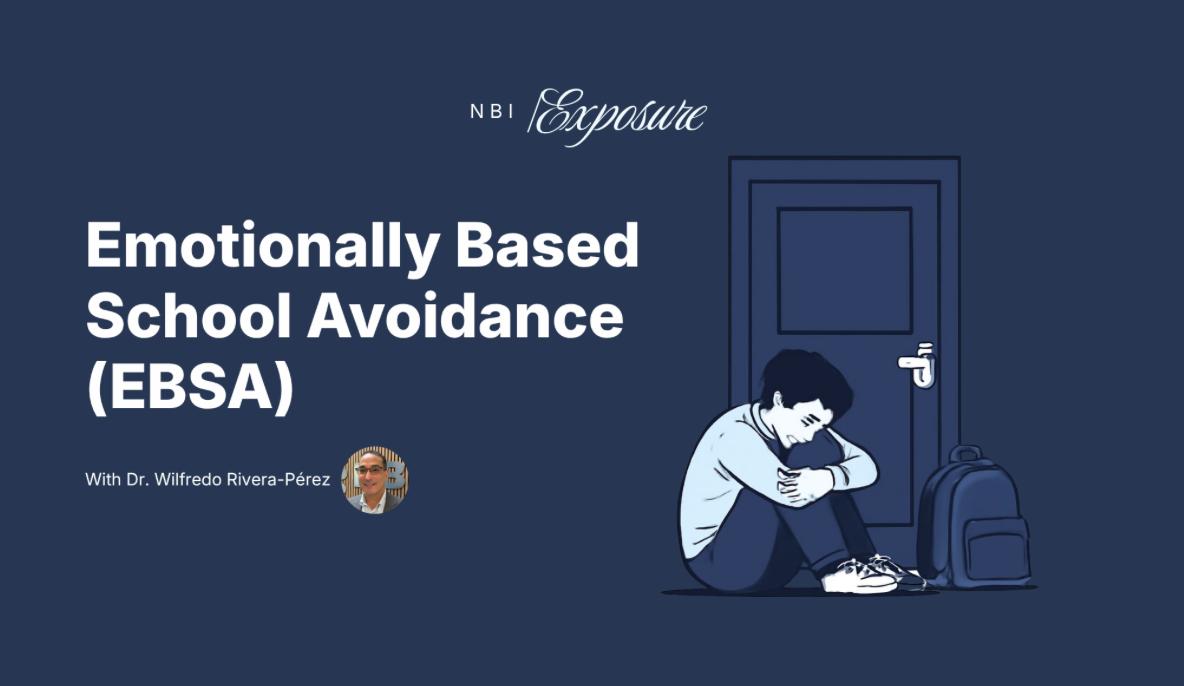
Most children have days when they don’t want to go to school. Emotionally Based School Avoidance (EBSA) is different. EBSA refers to a pattern in which a child or teenager has significant difficulty attending school because of emotional distress, rather than truancy or rule‑breaking.
Children with EBSA usually want to succeed in school, but strong emotions—such as anxiety, fear, sadness, or overwhelm—make attendance feel unbearable.
Why Does EBSA Occur?
EBSA is not caused by laziness, defiance, or poor parenting. It typically develops when school becomes associated with emotional discomfort and staying home brings short‑term relief.
- Anxiety disorders (such as separation anxiety, social anxiety, OCD, or generalized anxiety)
- Depression
- Sensory overload (noise, crowds, transitions)
- Academic stress or fear of failure
- Bullying or peer difficulties
- Medical concerns that increase anxiety about school
- Major transitions (starting school, changing schools, returning after illness)
- Family stress or parental anxiety
Once a child stays home and feels relief, the brain learns that avoiding school reduces distress. This learning cycle can cause avoidance to grow stronger over time.

The Functions of School Refusal Behavior
School refusal behaviors—such as crying, refusing to get out of bed, physical complaints, or emotional outbursts—serve specific emotional functions.
- Avoiding distressing emotions such as anxiety, panic, shame, or sensory overload
- Escaping feared situations like tests, social interactions, or specific school settings
- Maintaining proximity to parents or caregivers for comfort and reassurance
- Accessing preferred activities at home (less common and usually secondary)
Evidence‑Based Treatment Strategies
EBSA is very treatable. Effective treatment focuses on reducing avoidance while helping the child learn that they can tolerate distress and remain safe at school.
- Cognitive Behavioral Therapy (CBT) to teach coping skills and address anxious thinking
- Gradual, planned exposure to school situations to rebuild attendance
- Parent coaching to respond with empathy without reinforcing avoidance
- Close collaboration with school staff to support re‑entry and consistency
- Medication when appropriate, used alongside therapy to reduce severe anxiety or depression
Avoiding school entirely may reduce distress in the moment, but it tends to strengthen anxiety in the long term.
A Hopeful Message
EBSA is stressful for children, families, and schools—but it is not permanent. With early support, coordinated care, and evidence‑based treatment, most students are able to return to school and rebuild confidence over time.
Subscribe to NBI Exposure for more articles on clinical practice and evidence-based treatment.