
Christopher Varghese, Psy.D.
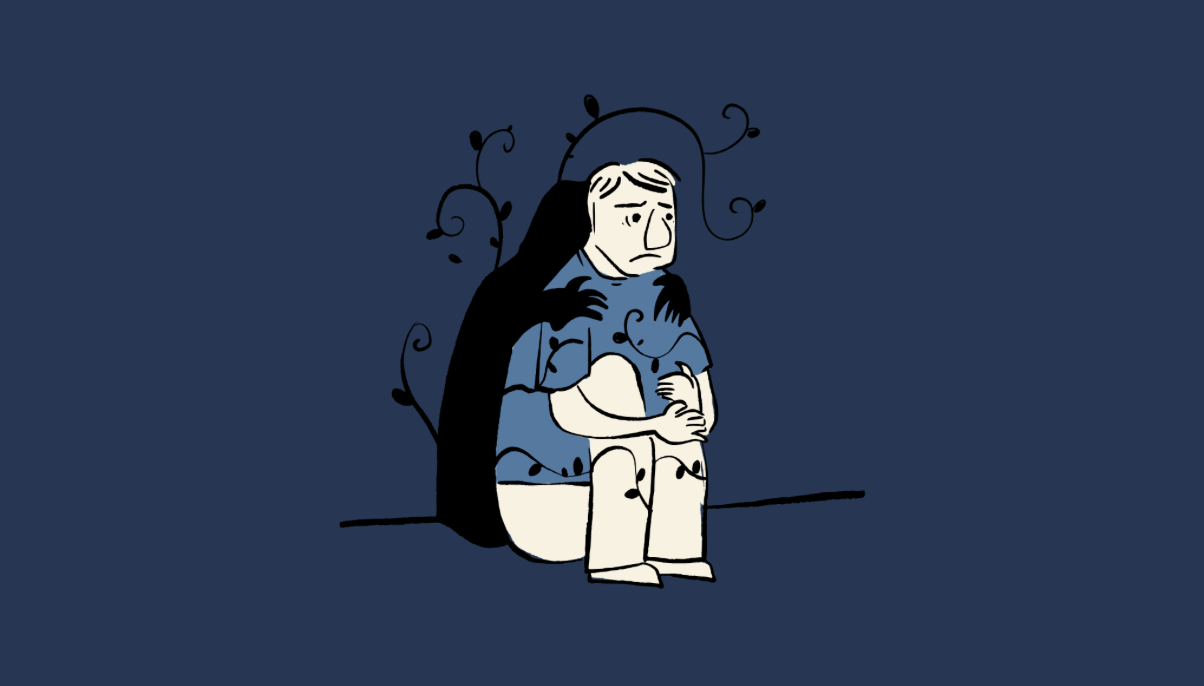
Picture the last time you were on a roller coaster. Think about all the feelings you may have had whether it was during the climb or during the drop. Your heart races, your breathing changes, or your stomach flips. On a roller coaster, those sensations are expected. You’re strapped in, you know what’s coming, and your brain understands that the experience is safe—even if it’s intense. However, if you find yourself sitting at home watching TV with similar sensations, but they arrive without warning and without context, how are you likely to respond? Ultimately, the expectation of how one should be feeling vs. what you end up feeling is often what makes them so frightening.
A big part of panic has to do with expectations about how we think we should feel at any given moment. When your heart starts pounding while you’re sitting at home or running errands, your brain may quickly decide that something is wrong. Thoughts like “this shouldn’t be happening” or “I’m not supposed to feel like this right now” can escalate fear. The body responds to that fear by releasing more adrenaline, which intensifies the sensations and creates a cycle that feels hard to escape. If we really think about it what really is the difference between what we feel on a roller coaster vs. what having a panic attack at home. The obvious answer is setting, but other than that the main thing that is different is our interpretation of said feelings based on the environment we are in.
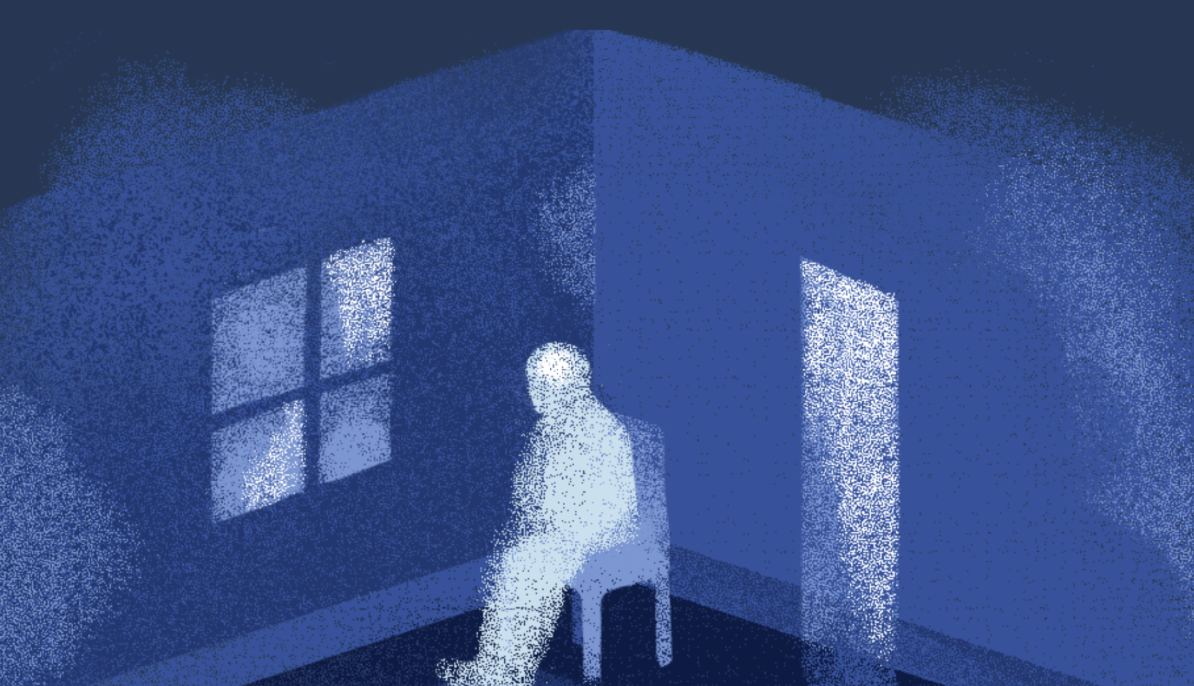
It’s important to understand that physical sensations themselves are not dangerous. A racing heart is simply a muscle responding to stress. Feeling lightheaded, shaky, or short of breath during panic is uncomfortable, but it is not harmful. What makes these sensations feel overwhelming is the interpretation that they mean something catastrophic is about to happen. This is also why panic attacks are so often mistaken for heart attacks. That confusion alone can fuel even more fear. While panic attacks feel intense and alarming, they do not damage the heart, and they do not put your life at risk.
Because panic feels so distressing, many people begin to avoid situations, places, or activities where they fear another attack might occur. While this makes sense in the short term, avoidance can strengthen panic over time. Each avoided situation sends the message to the brain that panic truly is dangerous, keeping the alarm system on high alert. Gradually, life can begin to feel smaller and more restricted.
Treatment for panic focuses on breaking this cycle by changing how you relate to the sensations themselves. Rather than trying to get rid of anxiety entirely, therapy helps you understand what’s happening in your body and respond differently when symptoms arise. This is often accomplished using interoceptive exposures, in which the person suffering from panic attacks learns that these sensations as uncomfortable as they are, are temporary and able to be managed. As patients continue to increase their engagement in these types of exposures, the fear surrounding experiencing them begins to fade. Over time, the body stops sounding the alarm so intensely, and panic attacks become less frequent and less overwhelming. The goal isn’t for you to start enjoying the feelings of panic, but to help your brain understand that this is something you don’t have to react to by avoiding or engaging in problematic behaviors.
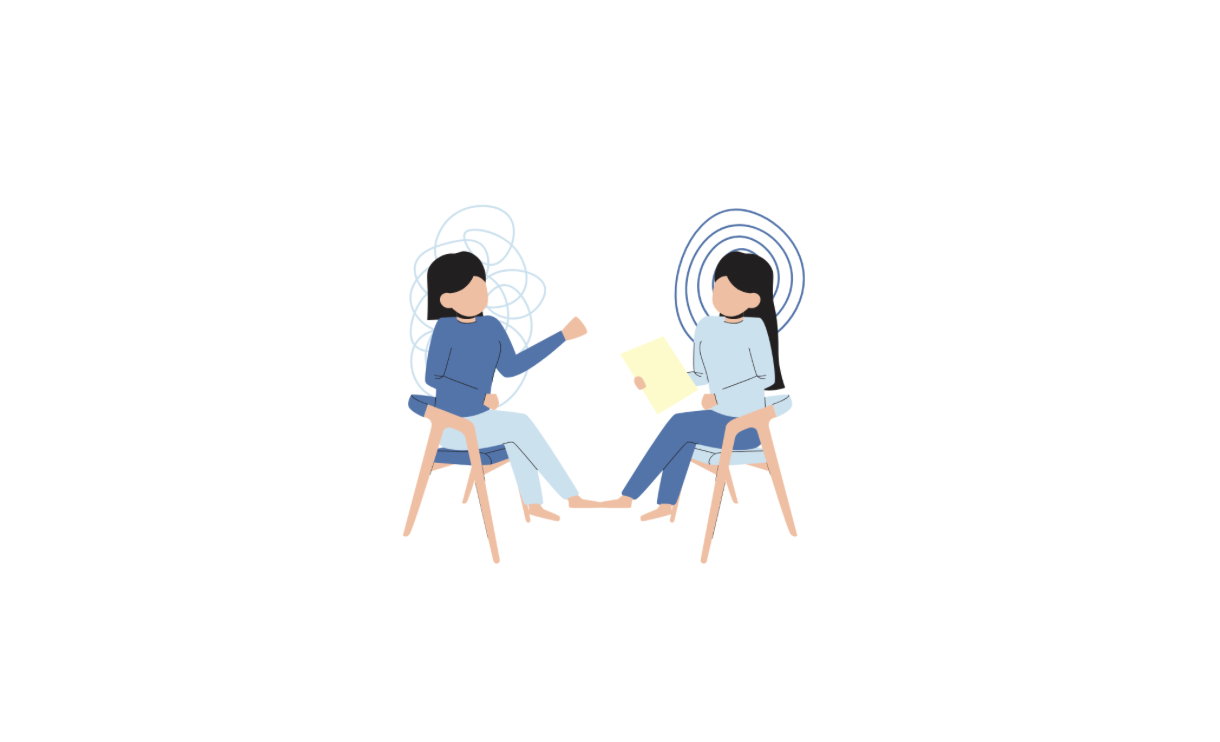
Panic is not a sign that something is wrong with you. It’s a sign that your body is trying—over enthusiastically—to protect you. With the right support and understanding, panic becomes something you can move through instead of something you fear. The key is knowing that the best way to manage panic is not to react to it but rather allowing the feeling to pass without engaging in avoidance or making accommodations.
Subscribe to NBI Exposure for more articles on clinical practice and evidence-based treatment.